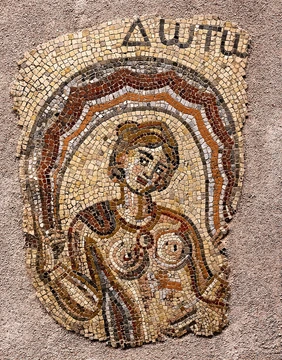
Themisto
Thessalian princess who accidentally slew her own children.
Themisto was a Thessalian princess in Greek mythology, daughter of King Hypseus of the Lapiths and the naiad Chlidanope. Her name derives from the Ancient Greek word 'θεμιστος,' meaning 'belonging to the law' or 'belonging to the customs.' She is known as the third and last wife of the Boeotian king Athamas, and her story involves a tragic case of mistaken identity leading to infanticide.
- born
- Thessaly (mythological)
- died
- Suicide after killing her own children (mythological)
- field
- Greek mythology
- nationality
- Thessalian (mythological)
- known_for
- Accidentally killing her own sons instead of her stepchildren
Lore & Background
Themisto was the daughter of King Hypseus of the Lapiths and the naiad Chlidanope. Her sisters were Cyrene, Alcaea, and Astyagyia. She became the third and last wife of Athamas, a Boeotian king. According to some sources, the couple had four children: Leucon, Erythrius, Schoeneus, and Ptous. Other sources list only two: Sphincius and Orchomenus, or else Schoeneus and Leucon. Some say that the father of Leucon was Poseidon.
Reader's Guide
Themisto's significance lies in the tragic myth of mistaken identity, a subject of a non-surviving tragedy by Euripides, retold by Hyginus. In the story, Athamas married Themisto believing his second wife Ino was dead, but Ino was alive on Mount Parnassus with the Maenads. Athamas brought Ino home secretly, but Themisto discovered her return and resolved to kill Ino's children. Never having seen Ino, Themisto mistook her for a servant and ordered her to dress Themisto's own children in white and Ino's in black. Themisto then killed all the black-clothed children, not realizing Ino had switched the clothing, so she killed her own sons. Upon discovering this, Themisto killed herself. According to Pseudo-Apollodorus, however, Themisto married Athamas after Ino's death, and the murder story did not occur. This myth illustrates themes of deception, revenge, and tragic error, and its legacy is preserved through Hyginus's retelling of Euripides' lost play.
Did You Know?
- Themisto's name derives from the Ancient Greek word 'θεμιστος,' meaning 'belonging to the law' or 'belonging to the customs.'
- She was the third and last wife of the Boeotian king Athamas.
- According to some sources, Themisto had four children: Leucon, Erythrius, Schoeneus, and Ptous.
- The story of Themisto accidentally killing her own children was the subject of a non-surviving tragedy by Euripides.
More in Filicide in mythology 1-24
Spotted an error? Know more?
This is a living reference — every entry is fact-audited, and reader corrections feed straight into our audit queue. Suggest an edit · See this site's audit record